
The idea of rapidly increasing numbers is appealing for businesses, influencers, or brands seeking social proof. Buying Facebook followers, or attempting to buy active Facebook followers, may seem like a shortcut to popularity. However, the practice carries hidden system risks that go beyond simply violating platform rules. Bots, fake accounts, and network abuse can compromise your account, distort analytics, and create long-term problems. Understanding these risks helps users make informed decisions and navigate social media responsibly. This article breaks down the technical, operational, and security challenges associated with purchased followers.
The Prevalence of Bots
Bots are automated programs designed to perform repetitive actions. When you buy followers, many of these accounts are bots. They may like, follow, or comment automatically. While they inflate numbers, they provide no real engagement. Bots can slow down account performance and trigger suspicious activity flags. Facebook actively monitors automated behavior. Sudden surges in follows or likes from non-human accounts often prompt algorithmic scrutiny. Using bots may seem harmless, but it introduces instability and risk to your profile.
Fake Accounts and Their Consequences
Many purchased followers are fake accounts profiles created solely to simulate activity. Fake accounts often have incomplete profiles, stock photos, or unrealistic friend connections. These accounts can be removed by Facebook at any time, causing sudden drops in follower count. This affects credibility and analytics. Fake accounts also distort engagement rates, making it difficult to assess real audience interaction. Over time, the presence of fake followers can reduce trust from genuine followers and damage a reputation.
Account Security Vulnerabilities

Using services to buy followers can compromise account security. Many providers require login credentials or permissions to access your profile. Sharing sensitive information increases the risk of hacking, unauthorized posts, or data breaches. Even reputable services may inadvertently expose your account to third-party vulnerabilities. Maintaining a secure account requires caution. The technical structure of Facebook actively monitors unusual access patterns. Accounts linked to suspicious activity are flagged for review or restriction.
Risk of Network Abuse
Buying followers can unintentionally contribute to network abuse. The systems that generate fake accounts are often part of larger networks designed to manipulate engagement. These networks may coordinate likes, shares, and follows across multiple platforms. Participating in these networks exposes your account to indirect risks. Network abuse undermines platform integrity and can trigger automated security protocols. Facebook’s algorithms are designed to detect such patterns and may limit account functionality or impose temporary restrictions.
Algorithmic Detection
Facebook employs sophisticated algorithms to detect inauthentic activity. Sudden spikes in follower count, repetitive interactions, and bot-like behaviors are analyzed systematically. The algorithm evaluates account metadata, interaction patterns, and engagement graphs. Purchased followers often exhibit unnatural patterns that trigger detection. Once flagged, your account may experience reduced visibility, temporary limitations, or permanent penalties. Understanding these detection mechanisms highlights why bought followers carry risk beyond immediate appearance.
Reputational Damage
Beyond technical risks, reputation is at stake. Awareness of fake followers can reduce credibility with clients, partners, or genuine followers. Public exposure of purchased followers may suggest dishonesty or shortcuts. Trust is a critical asset on social media, and once lost, it is difficult to rebuild. Maintaining transparency and authenticity ensures long-term engagement and growth. Reputation damage is often more costly than the temporary benefits of inflated numbers.
Impact on Analytics and Insights
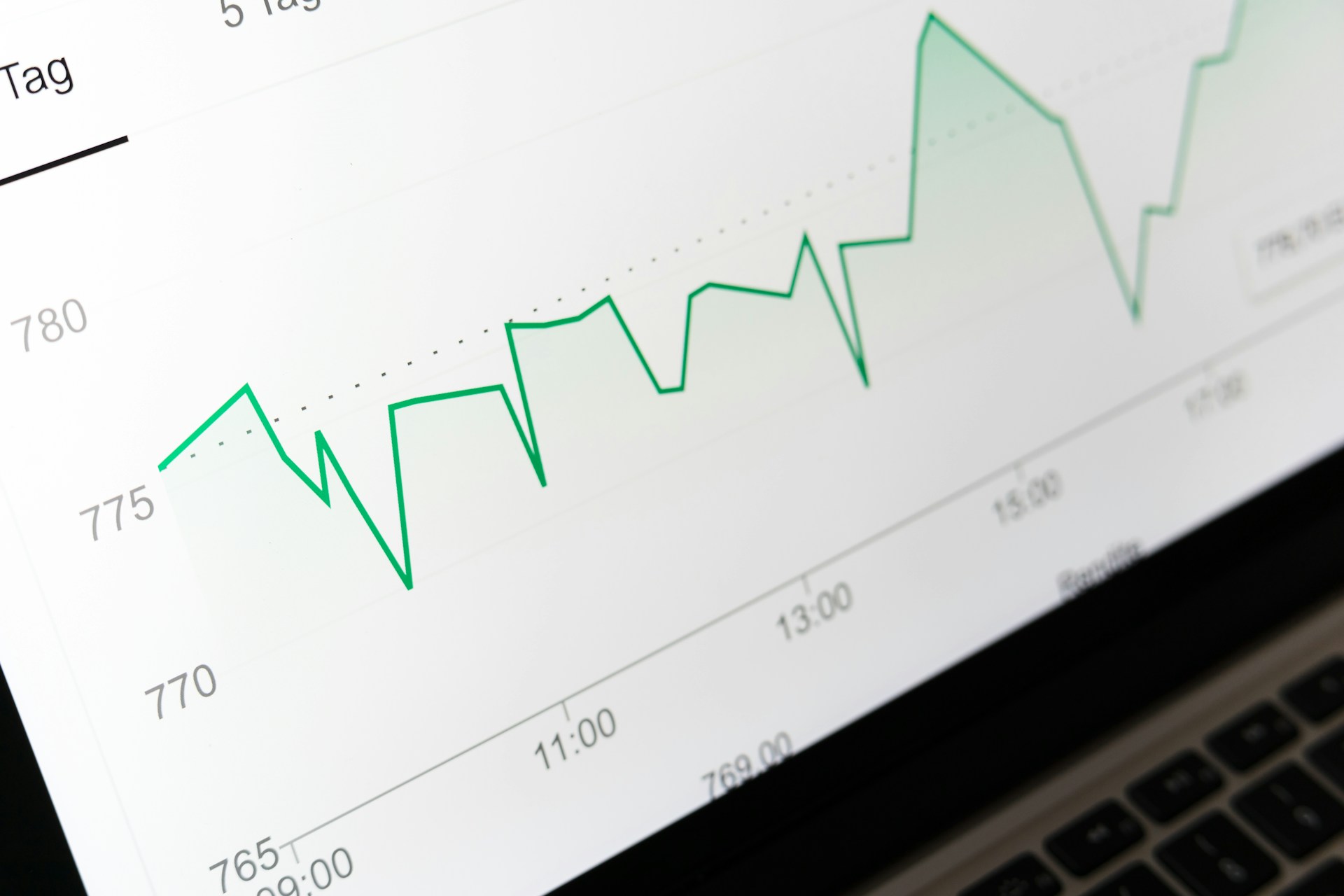 One of the most overlooked risks of buying followers is the distortion of analytics. Bots and fake accounts create misleading engagement metrics. You may see inflated likes, shares, or follower numbers that do not reflect genuine audience interest. Decisions based on these metrics, such as content strategy or advertising campaigns, can be ineffective or wasteful. Reliable analytics require real interactions. Artificially inflating followers undermines the accuracy of insights and hinders strategic planning.
Alternatives to Buying Followers
There are safe and sustainable alternatives to buying followers. Organic growth strategies, quality content, audience engagement, and collaboration with relevant communities produce authentic connections. These approaches reduce system risks while fostering trust. Paid advertising through legitimate Facebook campaigns can also increase reach without relying on fake accounts. Investing time in genuine growth protects account integrity and provides meaningful engagement that bots cannot replicate.
Buying Facebook followers carries hidden system risks that go beyond visible numbers. Bots, fake accounts, and network abuse create security vulnerabilities, distort analytics, trigger algorithmic detection, and threaten reputation. Understanding these technical and operational challenges demonstrates why shortcuts can have unintended consequences. Prioritizing organic growth, authentic engagement, and secure account practices ensures a reliable and sustainable presence. While the allure of rapid follower growth is strong, the long-term cost of inauthentic strategies often outweighs the temporary benefits. A mindful, ethical approach to social media preserves both performance and credibility.…