
In today’s digital era, a reliable internet connection is no longer optional—it is fundamental. Many homes still depend on a single router that struggles to cover large spaces, multiple floors, or thick walls, leading to weak signals in certain areas. Upgrading to a mesh Wi-Fi system addresses these gaps by distributing connectivity evenly through multiple nodes, creating seamless coverage across your environment. For tech enthusiasts and everyday users alike, tools such as Wifiman desktop provide a clear view of network performance and connected devices, complementing the functionality of a mesh system. By upgrading, users gain smoother connections, faster speeds, and a more manageable network experience, all contributing to a more productive and enjoyable online life.
Complete Coverage Without Dead Zones
One of the most significant advantages of a mesh Wi-Fi system is its ability to eliminate dead zones. Traditional routers send signals from a single point, causing weak reception at greater distances. In contrast, mesh networks use multiple access points that work in unison, distributing a strong signal across every corner of a home or office. This approach means devices remain connected as you move through different rooms, floors, or areas with obstacles that typically block signals. The result is uninterrupted browsing, video streaming, and gaming without frustration. A mesh network’s design ensures that even farthest rooms maintain consistent connectivity, improving the overall internet experience.
Improved Stability for Multiple Devices
Modern households often have numerous devices online simultaneously, including laptops, smartphones, smart TVs, and home security systems. Single routers can struggle to manage all connections efficiently, leading to congestion, lag, or slow speeds. Mesh Wi-Fi systems divide the workload among several nodes, preventing bottlenecks and allowing each device to connect to the nearest access point. This balanced approach maintains stability during peak usage hours, keeping streaming, gaming, and video calls uninterrupted. By managing multiple devices more effectively, mesh systems accommodate modern digital lifestyles without constant frustration.
Simplified Network Management
Managing a Wi-Fi network can be confusing for many users, especially when troubleshooting connectivity issues. Mesh Wi-Fi systems often come with user-friendly apps or dashboards that display device connections, signal strength, and usage statistics. These tools make it easier to adjust settings, monitor activity, and optimize performance without deep technical knowledge. With clear visibility, users can identify weak points in their network and take corrective measures, creating a smoother experience. Using complementary tools like network monitoring software allows homeowners or office administrators to oversee the network efficiently and maintain consistent performance across all devices.
Scalability and Adaptability
Mesh Wi-Fi systems are inherently scalable, allowing users to expand coverage as needed. Additional nodes can be installed in areas where the signal is weaker or as a household or office grows. This flexibility prevents the need for full system replacements when the environment changes. Whether adding more devices or extending coverage to previously unreachable areas, mesh networks adapt without requiring significant technical adjustments. The system’s design also allows seamless integration with other networking tools and software for monitoring, further enhancing its adaptability and ease of use.
Enhanced Performance for Streaming and Work
High-quality streaming, online gaming, and remote work require stable and fast connections. Mesh Wi-Fi systems maintain strong signals across all nodes, minimizing buffering, latency, or interruptions. For households with multiple users, this means each person can engage in online activities simultaneously without sacrificing speed or quality. This performance reliability is critical for video conferences, cloud applications, and other digital tasks that demand constant connectivity. Mesh networks optimize bandwidth allocation automatically, providing smoother and more consistent service for all connected devices.
Built-in Security Features
Security is a notable advantage of modern mesh Wi-Fi systems. Many systems include features such as automatic firmware updates, device monitoring, and parental controls. These capabilities protect against unauthorized access, manage network traffic, and give users greater visibility into connected devices. Centralized security management simplifies the process, reducing the need for multiple third-party applications. Users gain peace of mind knowing that their network is monitored and protected while maintaining high performance.
Upgrading to a mesh Wi-Fi system offers substantial benefits for modern internet users. With complete coverage, stable connections for multiple devices, simplified network management, and easy scalability, mesh systems improve everyday online activities. Enhanced performance for streaming, gaming, and remote work, combined with built-in security features, ensures a smoother and safer digital experience. Additionally, seamless device handoff maintains uninterrupted connectivity throughout the coverage area. Overall, mesh Wi-Fi systems provide a practical solution for households and offices seeking consistent, high-speed internet without the frustration of weak signals or network congestion.…
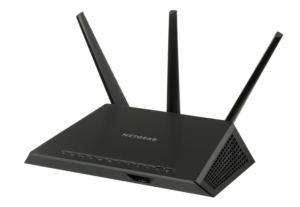 Theoretically, there’s no limitation to the number of repeaters added to every Gateway unit. But if greater than five repeaters are inserted to every Gateway, every unit’s operation will endure. Numerous Gateways increase the total performance and endurance of the system. Each node ought to be able to link to as many different nodes in the community. If a single
  This was amazingly useful for me as I’d started assembling a WiFi framework utilizing a charging mate on an income share premise. When I began, on the off chance that I didn’t make anything, it didn’t cost me anything. But the firm merged with another firm and their coverage shifted into a monthly fee basis ($200 to get ten units) without an earnings share. The monthly fee and the price of 2 Internet connections ($250 a month) were substantially higher than the earnings generated from subscribers. My only choice was to cover the monthly fee and drop cash, go with a different billing partner and purchase and reinstall new gear at great cost or near the organization. I then found that the CloudTrax system could only set up the Open-Mesh firmware in my existing installed equipment, maintain 100 percent of their revenue from subscriptions and buy the identical equipment in a fraction of the purchase price. I truly love this method, its simplicity of usage, zero cost, and the forums/developers’ assistance.…